
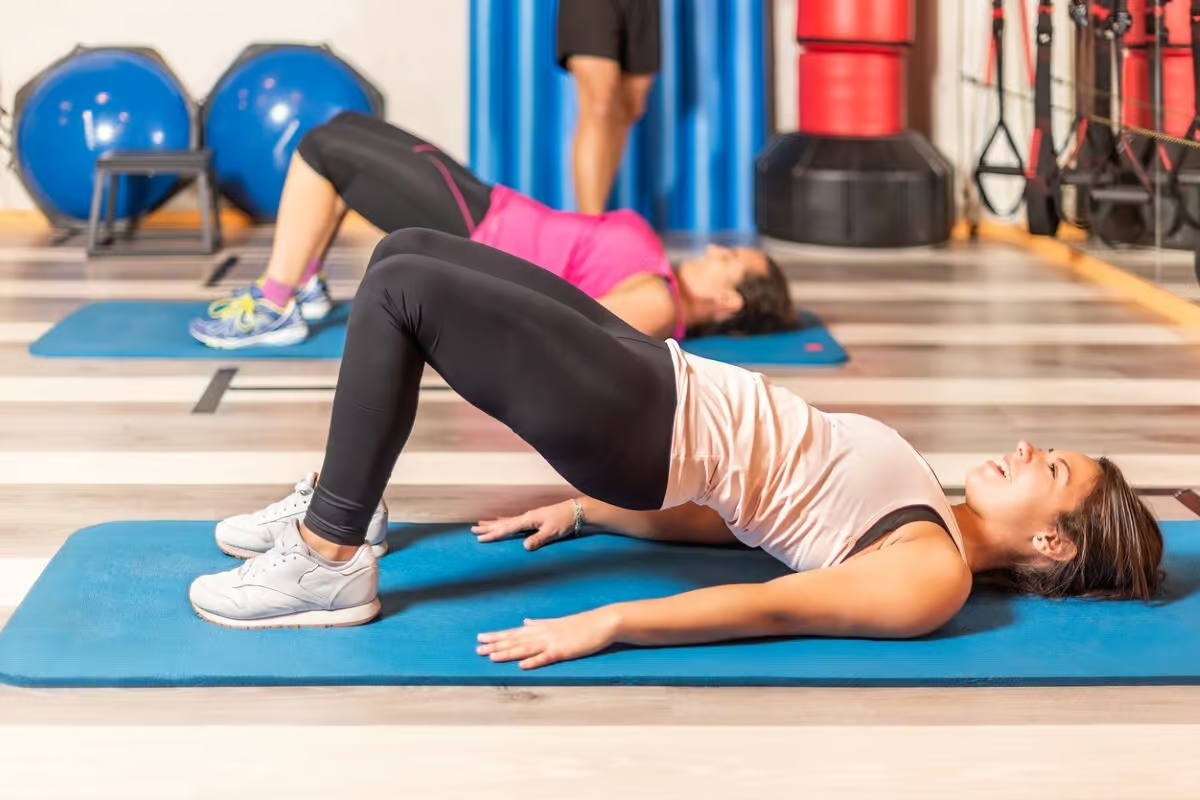
Women’s pelvic health plays a vital role in overall well-being, affecting bladder control, bowel function, reproductive health, posture, and quality of life. Despite its importance, pelvic health is often overlooked until symptoms become difficult to ignore. Fortunately, modern women’s pelvic health solutions provide effective ways to prevent, manage, and treat a wide range of pelvic floor conditions.
Whether you are recovering after childbirth, managing menopause, dealing with pelvic pain, or simply looking to maintain long-term wellness, understanding the available treatment options can help you make informed decisions about your health.
Understanding the Pelvic Floor
The pelvic floor is a group of muscles, ligaments, and connective tissues that support the bladder, uterus, and bowel. These muscles help control urination and bowel movements while also contributing to sexual function and core stability.
When the pelvic floor muscles become weak, tight, or damaged, they can lead to various health concerns that may affect daily activities and overall comfort.
Common Pelvic Health Conditions in Women
Several conditions can impact pelvic health throughout different stages of life. Some of the most common include:
- Urinary incontinence
- Pelvic organ prolapse
- Chronic pelvic pain
- Pain during intercourse
- Overactive bladder
- Pregnancy-related pelvic discomfort
- Postpartum pelvic floor weakness
- Constipation caused by pelvic floor dysfunction
Early diagnosis and appropriate treatment often lead to better long-term outcomes.
Causes of Pelvic Floor Dysfunction
Many factors contribute to pelvic floor problems. Common causes include:
- Pregnancy and vaginal childbirth
- Aging and menopause
- Hormonal changes
- Obesity
- Heavy lifting
- Chronic coughing
- High-impact physical activities
- Previous pelvic surgeries
- Neurological disorders
Understanding the underlying cause helps healthcare professionals recommend the most effective treatment plan.
Effective Women’s Pelvic Health Solutions
There are numerous women’s pelvic health solutions available today that address both prevention and treatment.
Pelvic Floor Muscle Exercises
Pelvic floor exercises, commonly called Kegel exercises, strengthen the muscles that support the pelvic organs. Regular practice can improve bladder control, reduce leakage, and enhance muscle coordination.
Pelvic Floor Physical Therapy
Specialized physiotherapists evaluate muscle strength, flexibility, and coordination. Individualized therapy programs may include manual therapy, guided exercises, breathing techniques, and posture correction.
Biofeedback Therapy
Biofeedback uses specialized sensors to help women understand how their pelvic floor muscles function. Visual or audio feedback allows patients to improve muscle activation and relaxation during therapy sessions.
Electrical Muscle Stimulation
For women with significant muscle weakness, gentle electrical stimulation may help activate pelvic floor muscles and support rehabilitation when combined with exercise.
Lifestyle Modifications
Simple lifestyle improvements can significantly benefit pelvic health, including:
- Maintaining a healthy body weight
- Eating a fiber-rich diet
- Staying hydrated
- Avoiding excessive straining during bowel movements
- Quitting smoking
- Managing chronic coughing
- Practicing proper lifting techniques
Pregnancy and Postpartum Pelvic Health
Pregnancy places increased pressure on the pelvic floor as the baby grows. After childbirth, many women experience temporary muscle weakness or stretching.
Postpartum recovery often includes:
- Gentle pelvic floor exercises
- Core strengthening
- Gradual return to physical activity
- Professional pelvic floor assessments
- Proper lifting techniques while caring for the baby
Early rehabilitation supports faster recovery and may reduce future pelvic health complications.
Pelvic Health During Menopause
Hormonal changes during menopause can reduce tissue elasticity and muscle strength, increasing the risk of urinary leakage and pelvic organ prolapse.
Women’s pelvic health solutions for menopause may include:
- Pelvic floor strengthening exercises
- Physical therapy
- Healthy nutrition
- Regular physical activity
- Medical evaluation for persistent symptoms
Maintaining muscle health during menopause contributes to improved comfort and independence.
Pelvic Health Products That May Help
Various products support pelvic rehabilitation when recommended by healthcare professionals.
Examples include:
- Kegel exercise trainers
- Biofeedback devices
- Vaginal weights
- Pelvic support devices
- Exercise resistance tools
- Rehabilitation cushions
- Educational mobile applications
These tools can complement therapy programs but should not replace professional evaluation.
Nutrition and Pelvic Floor Health
Proper nutrition supports muscle strength and tissue repair. A balanced diet should include:
- Lean protein
- Fruits and vegetables
- Whole grains
- Healthy fats
- Calcium-rich foods
- Vitamin D
- Magnesium
- Adequate water intake
Good nutrition also helps prevent constipation, reducing unnecessary strain on pelvic floor muscles.
Exercise and Physical Activity
Regular exercise improves circulation, flexibility, posture, and muscle strength. Beneficial activities include:
- Walking
- Swimming
- Pilates
- Yoga
- Low-impact strength training
- Core stabilization exercises
Women experiencing pelvic floor symptoms should consult a healthcare professional before starting high-impact workouts.
Mental and Emotional Well-Being
Pelvic health conditions can affect confidence, relationships, and emotional health. Anxiety and stress may also contribute to increased muscle tension.
Seeking professional care, joining support groups, and practicing relaxation techniques can improve both physical and emotional recovery.
When to Seek Professional Help
Medical evaluation is recommended if you experience:
- Frequent urine leakage
- Persistent pelvic pain
- A feeling of pressure or bulging
- Difficulty emptying the bladder
- Pain during intercourse
- Ongoing constipation related to pelvic floor dysfunction
Early treatment often prevents symptoms from worsening and supports faster recovery.
Preventing Future Pelvic Floor Problems
Preventive care is an essential part of maintaining long-term pelvic health.
Helpful habits include:
- Performing pelvic floor exercises regularly
- Maintaining a healthy weight
- Staying physically active
- Managing chronic constipation
- Using proper body mechanics
- Attending postpartum follow-up appointments
- Seeking treatment when symptoms first appear
Small daily habits can significantly improve lifelong pelvic health.
Conclusion
Modern women’s pelvic health solutions offer safe, evidence-based approaches for improving bladder control, reducing pelvic pain, strengthening muscles, and enhancing overall quality of life. From pelvic floor exercises and physiotherapy to biofeedback, lifestyle modifications, and preventive care, women now have access to a wide range of effective treatment options.
By recognizing symptoms early, maintaining healthy habits, and working with qualified healthcare professionals, women can protect their pelvic health through every stage of life and enjoy greater comfort, confidence, and long-term wellness.