
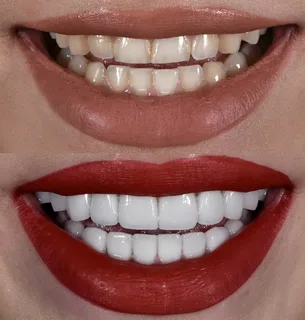
Cosmetic dentistry has come a long way over the past few decades. Today, people have the amazing chance to upgrade their smiles with a level of precision we just did not have before. If you are looking to fix dental imperfections, one of the most popular options involves getting ultra thin, custom made shells that cover the front of your teeth. Once a patient decides to go ahead with this upgrade, they immediately run into a big choice about the base materials. The ongoing debate around porcelain vs composite veneers is a major talking point for anyone trying to fix stubborn stains, slight misalignments, or physical damage like chips and fractures. To make a smart choice, you have to look closely at the unique quirks of each material, how the dentist applies them, and what it means for you in the long run.
These dental upgrades do two very important jobs at once. They protect the surface of a damaged tooth while making your whole smile look much more balanced. But the materials themselves are incredibly different. They have totally different chemical makeups, they are built differently, and the way a dentist glues them to your real tooth varies a lot. The material you pick impacts how long the work lasts, the kind of upkeep you will have to do, and how much money you have to spend right out of the gate.
For a really long time, ceramic restorations have basically been the gold standard for cosmetic dental work. These delicate shells are usually made out of advanced materials, like feldspathic porcelain or highly durable lithium disilicate. Dental labs craft them carefully off site to perfectly fit the exact shape of your mouth. The biggest perk of going with ceramic is that it is unbelievably tough and does an amazing job mimicking the way natural tooth enamel bounces light around. That special translucent quality means the new teeth look incredibly realistic, blending right in with the rest of your smile. On top of that, the baked ceramic material is super dense and totally non porous. This makes it incredibly good at fighting off deep stains from everyday things like coffee, black tea, and tobacco.
Getting that flawless look, however, involves a preparation process that takes a few distinct steps. To get a natural tooth ready for a ceramic shell, the dentist almost always has to carefully shave away a tiny layer of your outermost enamel. This prep work is absolutely required so the new veneer sits perfectly flush against your gum line instead of looking thick or bulky. Because human enamel simply cannot grow back, dentists consider this shaving process to be permanent. Patients going down this road have to be ready for a lifelong commitment to keeping up with the restorations on those specific teeth, simply because they can never go back to their original state.
Sitting on the completely opposite end of the spectrum are resin based restorations. While ceramic options have to be made in a lab, resin veneers are usually applied right there on your tooth in just one single dental visit. A highly skilled dentist uses a special mix of bis-GMA and silica filler particles, manually sculpting this soft resin directly onto your tooth structure. After getting the shape right, they use a specialized high intensity light to cure and harden the material. Finally, they do some intense shaping and polishing to give it a natural, glossy shine. Because it is applied directly to the tooth, the whole process is way faster and often takes a huge amount of the immediate anxiety out of the visit.
One of the absolute best things about advanced resin technology is how conservative it is. It supports a gentle, minimally invasive approach to dentistry. In a ton of cases, the dentist needs to remove very little to zero of your natural enamel before applying the material. This successfully preserves the structural health of your living tooth. Because of this, resin is an incredibly attractive choice for people who are nervous about permanently altering their real teeth but still want a noticeable cosmetic boost. Plus, the upfront cost for direct resin work is generally a whole lot lower. This makes a great looking smile much more accessible to a wider group of patients.
Even with those great benefits, resin materials definitely have a few built in limitations you need to know about. Modern composite resins look great and polish up nicely, but they just do not have the exact same light reflecting depth or the completely impenetrable surface of high heat ceramics. Because of this, they are a little more prone to picking up surface stains over long periods. You might find yourself needing more frequent professional polishing or having to replace them sooner. The expected lifespan of a direct resin veneer is usually shorter, often lasting somewhere between five to seven years. Meanwhile, high quality ceramic options can easily hold up for ten to fifteen years, or even decades, as long as you keep up with your oral hygiene and go to your regular checkups.
When weighing these different options, you really have to balance your immediate budget against the idea of long term value. Resin obviously gives you a great starting price and a wonderfully gentle approach to prepping your teeth. But for many patients, the massive durability and unmatched, lifelike look of ceramic easily justify spending more money up front. Sitting down to talk with highly experienced dental professionals, like the dedicated team over at Dentprime, is super important. It ensures you get tailored, medically sound advice based entirely on your specific tooth anatomy, your bite alignment, and your overall cosmetic goals.
At the end of the day, the path to a brand new smile depends on your personal priorities and your own unique anatomy. Some people will naturally lean toward the toughest, most stain resistant option they can find, happily accepting the necessary enamel removal to get a truly permanent result. Other folks will prefer a much more conservative, highly reversible route, even if it means they might have to replace or fix the dental work a bit sooner down the line. Both of these advanced materials offer fantastic, medically proven ways to fix up chips, close little gaps, and hide severe discoloration. They both successfully restore the function of your bite while bringing a beautiful sense of harmony back to your mouth. By getting a careful professional consultation and understanding what each specific material brings to the table, you can confidently pick the exact route that perfectly matches your vision for a radiant, long lasting smile.