
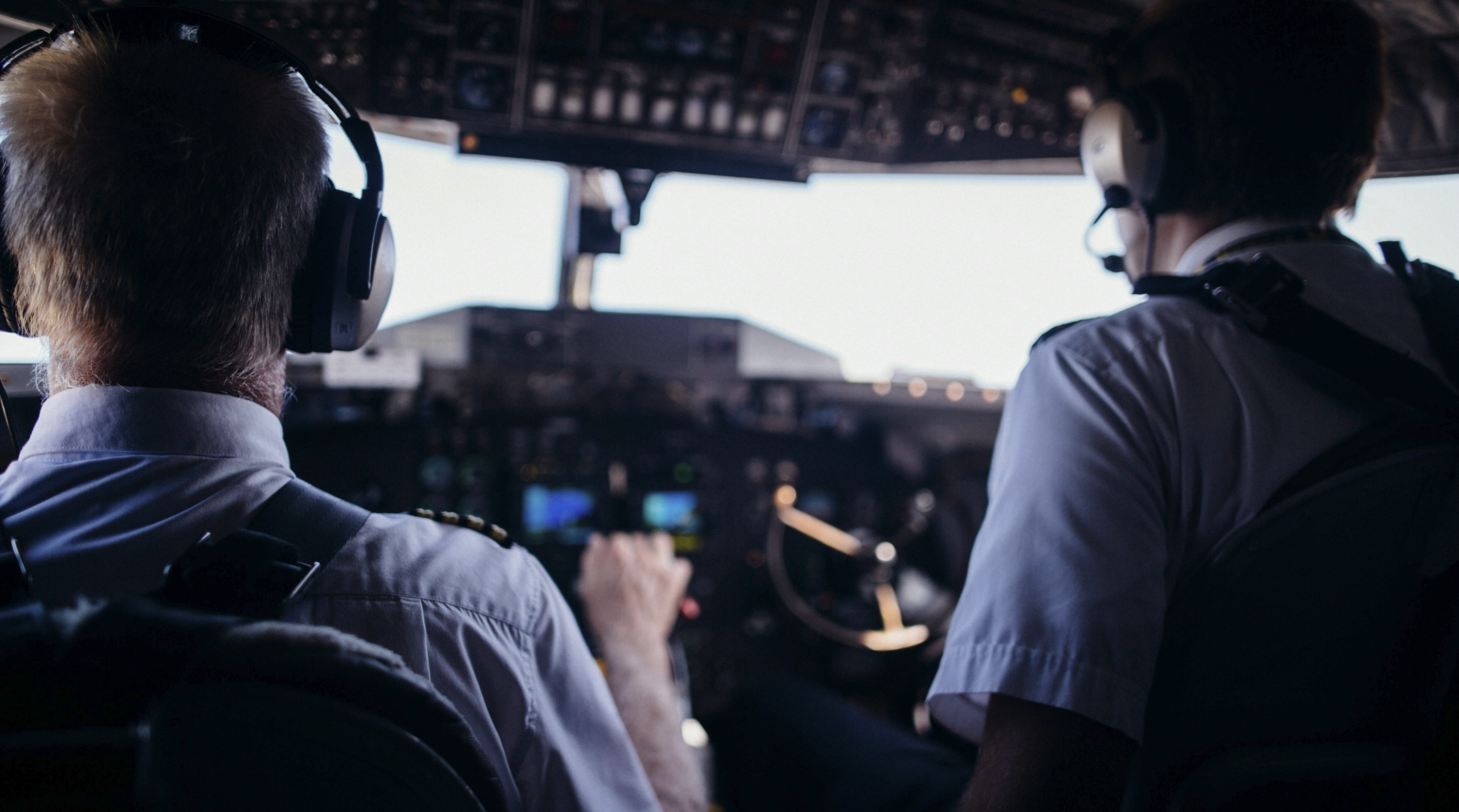
Flying an aircraft demands peak physical and mental health. Pilots undergo rigorous medical evaluations to ensure they can safely operate in high-pressure environments. Behind these evaluations are medical specialists who play a crucial role in keeping pilots fit for duty. Their expertise helps safeguard both the pilot and the passengers, making aviation one of the safest modes of travel.
In this article, we’ll discuss such medical specialists in keeping pilots flight-ready.
Aviation Medical Examiners Who Assess Pilot Fitness
Aviation Medical Examiners (AMEs) are the first line of defence in pilot health. They conduct routine medical exams required by the Federal Aviation Administration (FAA) to certify pilots for flight.
These specialists evaluate vision, hearing, cardiovascular health, and neurological function. Their role is not just about detecting problems but also about guiding pilots toward preventive care. By ensuring pilots meet strict medical standards, AMEs help maintain safety in the skies.
Cardiologists Who Monitor Heart Health
Cardiologists are vital for pilots because cardiovascular health directly impacts flight safety. Pilots face unique stressors such as irregular schedules, high altitudes, and long hours. Cardiologists evaluate heart rhythm, blood pressure, and overall cardiac function.
They also manage conditions like arrhythmias or hypertension, which could impair a pilot’s ability to fly. With their expertise, cardiologists help pilots maintain endurance and reduce the risks of sudden cardiac events during flight.
Neurologists Who Safeguard Cognitive Function
Neurologists focus on the brain and nervous system, ensuring pilots remain sharp and responsive. Conditions such as seizures, migraines, or neuropathies can compromise reaction times and decision-making.
Neurologists perform detailed assessments to rule out neurological disorders that could interfere with flying. Their guidance helps pilots manage symptoms and maintain the mental clarity required for complex cockpit operations.
Psychiatrists Who Support Mental Health
Mental health is just as important as physical health in aviation. Psychiatrists help pilots manage stress, anxiety, depression, and other psychological conditions. They provide therapy, coping strategies, and monitoring to ensure pilots remain mentally resilient.
In cases where medication is needed, psychiatrists carefully balance treatment with FAA regulations to avoid side effects that could impair performance. Their support ensures pilots can handle the emotional demands of flying.
HIMS Aviation Medical Examiners Who Oversee Substance Recovery
The FAA Human Intervention Motivation Study (HIMS) programme is designed to help pilots recover from substance use disorders while maintaining their careers. FAA HIMS AME professionals are specially trained examiners who oversee pilots in recovery.
They coordinate with psychiatrists, therapists, and support groups to monitor progress and compliance. Their role is critical in balancing safety with rehabilitation, allowing pilots to return to the cockpit once they demonstrate sustained recovery and fitness.
Ophthalmologists Who Protect Vision Standards
Clear vision is essential for safe flying. Ophthalmologists evaluate eye health, diagnose conditions like glaucoma or cataracts, and prescribe corrective measures. They ensure pilots meet FAA vision standards, whether through glasses, contact lenses, or surgical procedures.
By preserving visual acuity and depth perception, ophthalmologists help pilots maintain awareness and precision during flight operations. Their expertise ensures that pilots can rely on sharp vision to make critical decisions in the cockpit.
Sleep Medicine Specialists Who Address Fatigue
Sleep medicine specialists tackle one of the most common challenges in aviation: fatigue. Pilots often work irregular hours and cross multiple time zones, which can disrupt sleep patterns. These specialists diagnose sleep disorders such as sleep apnea or insomnia and provide treatment plans to restore healthy rest.
By improving sleep quality, they help pilots stay alert, focused, and safe during long flights. Their guidance ensures that pilots can manage fatigue effectively and maintain peak performance in demanding flight schedules.
Conclusion
The safety of aviation depends on more than just technology—it relies on the health and fitness of pilots. From cardiologists to FAA HIMS AMEs, each medical specialist plays a unique role in ensuring pilots remain fit to fly.
Their combined expertise helps pilots overcome health challenges, maintain resilience, and continue doing what they do best: keeping passengers safe in the skies.