
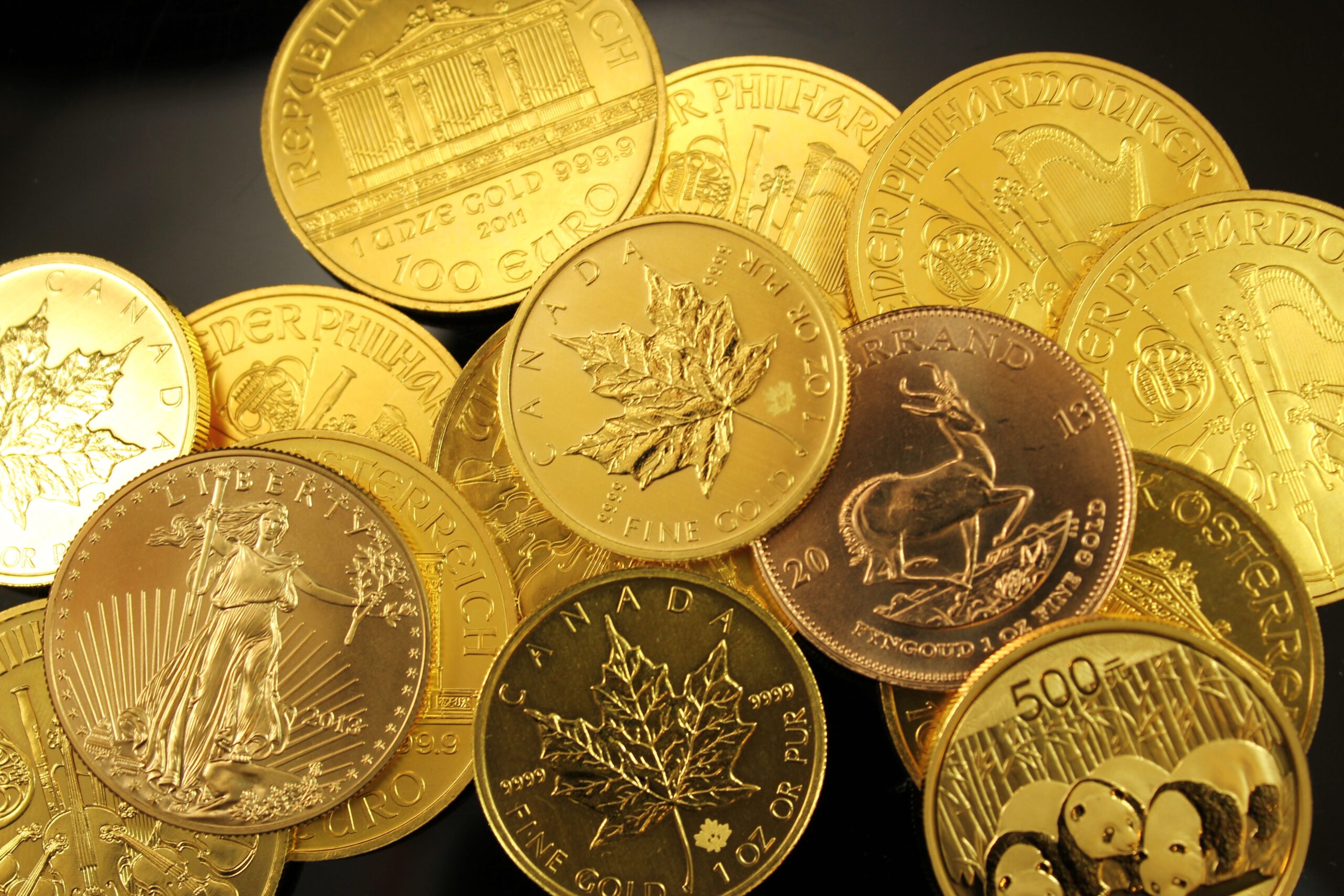
Gold coins have attracted collectors and investors for generations. Some people appreciate their historical value, while others view them as a way to diversify their financial holdings. No matter the reason for purchasing gold coins, learning about the buying process before making a decision can help avoid confusion and encourage informed choices.
Working with reputable gold coin dealers is one part of that process. Buyers often compare coin types, precious metal content, grading standards, market pricing, storage options, authenticity, and long-term goals before completing a purchase. The more familiar buyers become with the process, the more comfortable they may feel when evaluating different opportunities.
Learning About Gold Coins
Not every gold coin serves the same purpose. Some coins are produced primarily for investment, while others attract collectors because of their rarity, historical background, limited production, or unique designs. Understanding these differences helps buyers select coins that match their personal interests and financial objectives.
Gold purity also varies between products. Some coins contain nearly pure gold, while others include small amounts of additional metals to improve durability. Government-issued bullion coins, commemorative coins, historical pieces, proof coins, certified coins, and collectible editions all appeal to different buyers depending on their priorities.
As buyers continue researching, they often discover that market prices fluctuate over time. Gold values respond to economic conditions, global events, supply, demand, investor activity, and broader financial trends, making it helpful to monitor the market before purchasing.
Evaluating Trusted Dealers
Selecting a reputable dealer like Coin Shop Arizona is just as important as selecting the coin itself. Experienced dealers typically provide detailed information about authenticity, grading, pricing, purchasing procedures, storage recommendations, and available inventory. Clear communication allows buyers to better understand exactly what they are purchasing.
It is also helpful to compare information from several sources rather than relying on a single opinion. Reviewing multiple dealers allows buyers to recognize reasonable pricing while gaining a better understanding of the current market.
Examining Coin Quality
Condition plays an important role in determining both collector interest and market value. Coins showing minimal wear often command higher prices than similar coins with visible damage or heavy circulation. Professional grading services evaluate coins using standardized methods that help establish condition more consistently.
Buyers should carefully examine certification documents whenever available. Official grading reports, protective holders, serial numbers, mint information, production details, authentication records, and documented specifications provide valuable information when evaluating individual coins.
Photographs may also assist during online purchases, although many buyers prefer examining coins in person whenever possible. Viewing a coin directly allows for a closer inspection of surface quality, overall appearance, design details, and physical condition.
Comparing Investment Goals
People purchase gold coins for many different reasons. Some focus on preserving wealth over time, while others enjoy building collections that reflect history, artistry, or personal interests. Defining clear goals before purchasing often simplifies the decision-making process.
Investment-focused buyers may pay closer attention to bullion value, market premiums, liquidity, and long-term performance. Collectors, on the other hand, may place greater importance on rarity, historical significance, limited mintages, artistic design, age, and overall condition.
Because every buyer has different priorities, researching available options before purchasing often leads to better decisions. Taking time to compare coins, understand pricing, evaluate market conditions, and review available documentation supports a more thoughtful buying experience.
Protecting Valuable Collections
Once purchased, proper storage becomes an important consideration. Gold coins should be protected from scratches, excessive moisture, dust, fingerprints, improper handling, environmental damage, and unnecessary exposure that could affect their appearance or condition over time.
Many collectors use protective holders, secure home safes, bank safe deposit boxes, climate-controlled storage, organized inventory records, insurance coverage, and careful handling practices to preserve their collections. Good storage habits help maintain both physical condition and long-term value.
Keeping purchase receipts, grading certificates, photographs, appraisal records, and ownership documentation also provides useful records for insurance purposes, future sales, estate planning, or personal organization.
Making Informed Purchases
Buying gold coins involves more than selecting an attractive design. Understanding market conditions, evaluating authenticity, comparing dealers, reviewing grading information, protecting purchased coins, and defining personal goals all contribute to a more confident buying experience.
Learning from experienced dealers provides additional perspective as buyers continue researching the precious metals market. By approaching each purchase carefully, asking thoughtful questions, comparing available options, and staying informed about current market conditions, buyers can make decisions that align with both their collecting interests and their long-term financial objectives.