
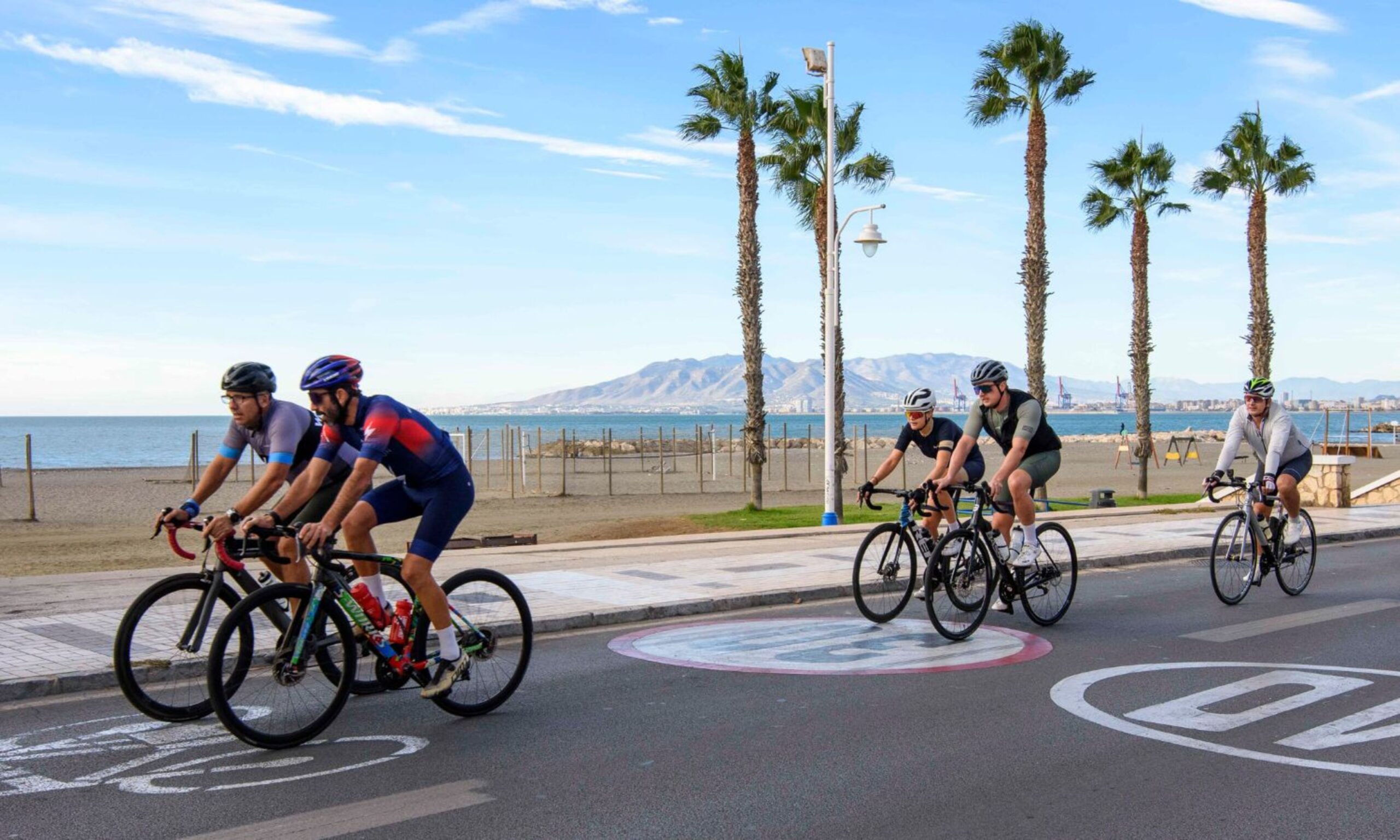
Cycling is a rewarding activity that supports fitness, improves endurance, and provides an enjoyable way to spend time outdoors. Some people ride for recreation, while others prepare for charity rides, long-distance events, local races, or personal fitness goals. Regardless of experience, making steady progress often depends on following a structured routine instead of riding without direction.
A thoughtful cycling training plan gives each ride a purpose while helping cyclists build strength, improve stamina, and reduce the chance of burnout. Instead of trying to ride harder every day, a balanced approach allows the body to adapt over time. Consistency usually produces better results than occasional intense efforts, especially for riders who want lasting improvement.
Setting Realistic Goals
Every successful training routine begins with a clear goal. Some cyclists want to ride longer distances without becoming tired, while others hope to climb hills more comfortably, increase average speed, improve fitness, or prepare for an organized cycling event. Defining a realistic objective creates direction and helps riders stay motivated throughout the training period.
Goals should also reflect current fitness levels instead of comparing progress with other cyclists. A beginner may focus on completing longer rides with confidence, while an experienced rider may work toward improving endurance over several months. Building on current ability encourages steady improvement while reducing unnecessary pressure.
It is also helpful to review goals regularly. Fitness changes over time, and adjustments may become necessary as strength, endurance, confidence, riding habits, weather conditions, work schedules, and personal commitments evolve. Flexible planning often supports better long-term consistency than rigid expectations.
Balancing Weekly Rides
Riding every day at maximum effort rarely produces the best results. The body needs a balance of challenging rides, easier sessions, recovery periods, skill practice, endurance work, and steady mileage to continue adapting without becoming overly fatigued.
A balanced cycling training plan often includes rides with different purposes throughout the week. Longer rides improve endurance, shorter efforts build power, recovery rides encourage circulation, steady rides reinforce pacing, and skills sessions improve bike handling. Mixing these ride types keeps training interesting while supporting several areas of cycling performance.
Variety also helps reduce mental fatigue. Following the same route at the same pace every ride may eventually become repetitive. Exploring different terrain, adjusting ride intensity, practicing cornering, riding with a group, or spending time on quieter roads can make training more enjoyable while still supporting overall progress.
Building Strength Gradually
Cycling fitness develops over time through repeated effort rather than sudden increases in workload. Adding too much distance or intensity within a short period may increase the risk of soreness, fatigue, or unnecessary setbacks. Gradual progress allows muscles, joints, tendons, lungs, and the cardiovascular system to adapt more comfortably.
Hill climbing offers one example of controlled progression. Riders may begin with shorter climbs before gradually tackling longer or steeper routes as confidence improves. Likewise, endurance rides can slowly become longer as the body adjusts to spending additional time on the bike.
Strength training away from the bicycle can also support cycling performance. Exercises that improve balance, core stability, leg strength, flexibility, mobility, posture, and overall body control often contribute to better riding efficiency. These sessions do not need to be lengthy, yet they can complement regular cycling when included consistently.
Supporting Recovery Every Week
Many cyclists focus heavily on training sessions while overlooking recovery. However, improvement often occurs during rest rather than during the ride itself. Recovery gives muscles time to rebuild while reducing accumulated fatigue that may otherwise limit future performance.
Sleep remains one of the most valuable recovery tools available. Consistent sleep supports muscle repair, energy levels, concentration, coordination, hormone balance, and overall physical health. Combined with proper hydration and balanced nutrition, quality sleep helps cyclists prepare for their next ride with greater readiness.
Recovery rides also serve an important purpose. Easy cycling encourages gentle movement without placing excessive stress on the body. Stretching, mobility exercises, light walking, foam rolling, and occasional rest days further support recovery while helping riders maintain long-term consistency throughout the training process.
Tracking Long-Term Progress
Measuring progress helps cyclists understand how training is affecting performance. Distance, ride duration, average speed, heart rate, cadence, climbing ability, perceived effort, weather conditions, recovery, and personal observations all provide useful information when reviewed over several weeks or months.
Progress should also be viewed with patience. Weather, work responsibilities, travel, illness, and family obligations may occasionally interrupt training. Temporary setbacks are normal, and returning to a consistent routine often matters more than trying to make up missed sessions with excessive effort.
Maintaining Consistent Progress
A successful cycling routine depends less on occasional hard workouts and more on steady habits maintained over time. Setting realistic goals, balancing weekly rides, increasing workload gradually, supporting recovery, monitoring progress, and adjusting expectations when needed all contribute to lasting improvement.
Every cyclist follows a different path based on experience, fitness, available time, and personal objectives. By developing a thoughtful cycling training plan that fits individual needs, riders can continue building endurance, confidence, strength, and enjoyment while creating healthy habits that support many miles of comfortable cycling in the years ahead.