Close Menu

    Subscribe to Updates

    Get the latest creative news from FooBar about art, design and business.

    What's Hot

    Why You Should Consider Gluten-Free Alcohol Options

    January 21, 2026

    Strain-management Techniques That Orthopedic Sports Medicine Professionals Favor

    January 21, 2026

    What Are Common Alignment Issues Found During Huntsville Sliding Glass Door Replacement?

    January 19, 2026
    Facebook X (Twitter) Instagram
    Infinite Persepective
    • Home
    • Fashion & Beauty
    • Baby & Parenting
    • Health & Care
    • Categories
      • Business & Industrial
      • Internet & Telecom
      • Garden & Outdoor
      • Automotive & Vehicles
      • Jobs & Education
      • Home Decor
      • Law & Government
      • Lifestyle
      • Pets & Animals
      • Real Estate
      • Science & Inventions
      • Sports & Camping
      • Technology
      • Travel & Leisure
    • Write For Us
    • Contact Us
      • Affiliate Disclosure
      • Privacy Policy
      • Disclaimer
    Facebook X (Twitter) Instagram
    Infinite Persepective
    Home»Technology»How to Build Your Own Custom 87 Keyboard: A Step-by-Step Guide
    Technology

    How to Build Your Own Custom 87 Keyboard: A Step-by-Step Guide

    Bisma AzmatBy Bisma AzmatSeptember 15, 2025No Comments3 Mins Read
    Facebook Twitter Pinterest LinkedIn Tumblr Email
    Share
    Facebook Twitter LinkedIn Pinterest Email

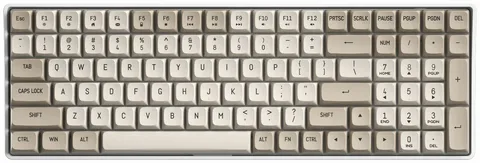
    In recent years, custom mechanical keyboards have become increasingly popular among tech enthusiasts, gamers, and productivity-focused individuals. One of the most sought-after layouts is the 87-key (also known as TKL or Tenkeyless) configuration, which strikes a balance between functionality and compactness. If you’re ready to take on a rewarding DIY project, here’s how to build your own custom 87 keyboard: a step-by-step guide to help you through the process.

    Contents

    Toggle
    • Why Choose an 87-Key Layout?
    • Step 1: Gather the Necessary Components
    • Step 2: Choose and Prepare the PCB
    • Step 3: Install Stabilizers
    • Step 4: Mount the Switches
    • Step 5: Assemble the Case
    • Step 6: Install Keycaps
    • Step 7: Test Your Keyboard
    • Final Thoughts

    Why Choose an 87-Key Layout?

    Before diving into the build, it’s important to understand why many opt for the 87-key layout. Unlike a full-size keyboard, the TKL omits the number pad, saving desk space while retaining essential keys like function rows, arrows, and navigation keys. It’s ideal for people who need efficiency without the bulk.

    Step 1: Gather the Necessary Components

    To build your custom keyboard, you’ll need the following parts:

    • PCB (Printed Circuit Board): The core of your keyboard.

    • Case: Houses and protects the components.

    • Plate: Supports the switches and adds stability.

    • Switches: Choose from tactile, linear, or clicky depending on preference.

    • Keycaps: Aesthetic and functional top pieces of each key.

    • Stabilizers: Needed for larger keys like the spacebar and enter key.

    • USB Cable: For connecting your keyboard to the computer.

    • Soldering tools (unless you’re using a hot-swap PCB).

    Step 2: Choose and Prepare the PCB

    When learning how to build your own custom 87 keyboard: a step-by-step guide, selecting the right PCB is crucial. Hot-swappable PCBs are great for beginners because they allow you to install and remove switches without soldering. If you’re using a soldered PCB, make sure it’s compatible with your case and layout.

    Step 3: Install Stabilizers

    Before adding switches, install the stabilizers on the PCB. Lubricating them can help reduce rattling and improve the feel. This step is especially important for keys like Shift, Enter, and Spacebar.

    Step 4: Mount the Switches

    Place your plate on the PCB and begin inserting the switches into their appropriate slots. If you’re using a hot-swap PCB, press the switches into place. For soldered PCBs, make sure the switch pins are correctly aligned before soldering each one to the board.

    Step 5: Assemble the Case

    Once all the switches are in place and secure, place the completed PCB into your case. Secure it using the appropriate screws. At this point, your keyboard is almost fully assembled.

    Step 6: Install Keycaps

    Now it’s time to personalize your keyboard with keycaps. Whether you’re into minimal designs or vibrant themes, choose a set that reflects your style. Gently press each keycap onto its corresponding switch.

    Step 7: Test Your Keyboard

    Use an online keyboard tester or software like VIA/QMK to ensure all keys register correctly. If you used a programmable PCB, now is the time to configure your layout and shortcuts.

    Final Thoughts

    By following this detailed guide, you now understand how to build your own custom 87 keyboard: a step-by-step guide that covers everything from parts selection to final testing. Building a custom keyboard isn’t just about aesthetics or performance—it’s about crafting a tool tailored to your needs and preferences. Whether you’re a gamer, coder, or writer, a custom TKL board can elevate your typing experience.

    So, if you’re ready to take on a fun, rewarding project, start with this guide on how to build your own custom 87 keyboard: a step-by-step guide, and build a keyboard that’s uniquely yours.

    Share. Facebook Twitter Pinterest LinkedIn Tumblr Email
    Bisma Azmat
    • Website

    Related Posts

    What a London SEO Agency Does in the First 30, 60, and 90 Days

    January 7, 2026

    5 Benefits of Investing in Quality Metalworking Equipment

    November 25, 2025

    Why Students Are Choosing Tablets Over Laptops

    October 13, 2025
    Leave A Reply Cancel Reply

    Don't Miss
    Health & Care

    Why You Should Consider Gluten-Free Alcohol Options

    By Bisma AzmatJanuary 21, 20260

    The gluten-free movement has transformed the food and beverage industries over the past decade as…

    Strain-management Techniques That Orthopedic Sports Medicine Professionals Favor

    January 21, 2026

    What Are Common Alignment Issues Found During Huntsville Sliding Glass Door Replacement?

    January 19, 2026

    AI and Online Poker: How Artificial Intelligence is Shaping the Game

    January 18, 2026
    Our Picks

    DMS Reveals Key MENA Travel Trends Post-Covid

    January 15, 2021

    Veterinarian Reveals the Five Dog Breeds He’d Never Choose

    January 14, 2020

    A Healthy Road to Weight Loss: The Most Effective Diet for You

    January 14, 2020

    T-Mobile Seeks Early Access to 2.5 GHz from Auction 108

    January 14, 2020
    Stay In Touch
    • Facebook
    • Twitter
    • Pinterest
    • Instagram
    • YouTube
    • Vimeo
    Demo

    Subscribe to Updates

    • Home
    • Fashion & Beauty
    • Baby & Parenting
    • Health & Care
    • Categories
      • Business & Industrial
      • Internet & Telecom
      • Garden & Outdoor
      • Automotive & Vehicles
      • Jobs & Education
      • Home Decor
      • Law & Government
      • Lifestyle
      • Pets & Animals
      • Real Estate
      • Science & Inventions
      • Sports & Camping
      • Technology
      • Travel & Leisure
    • Write For Us
    • Contact Us
      • Affiliate Disclosure
      • Privacy Policy
      • Disclaimer
    © 2026 ThemeSphere. Designed by ThemeSphere.

    Type above and press Enter to search. Press Esc to cancel.