
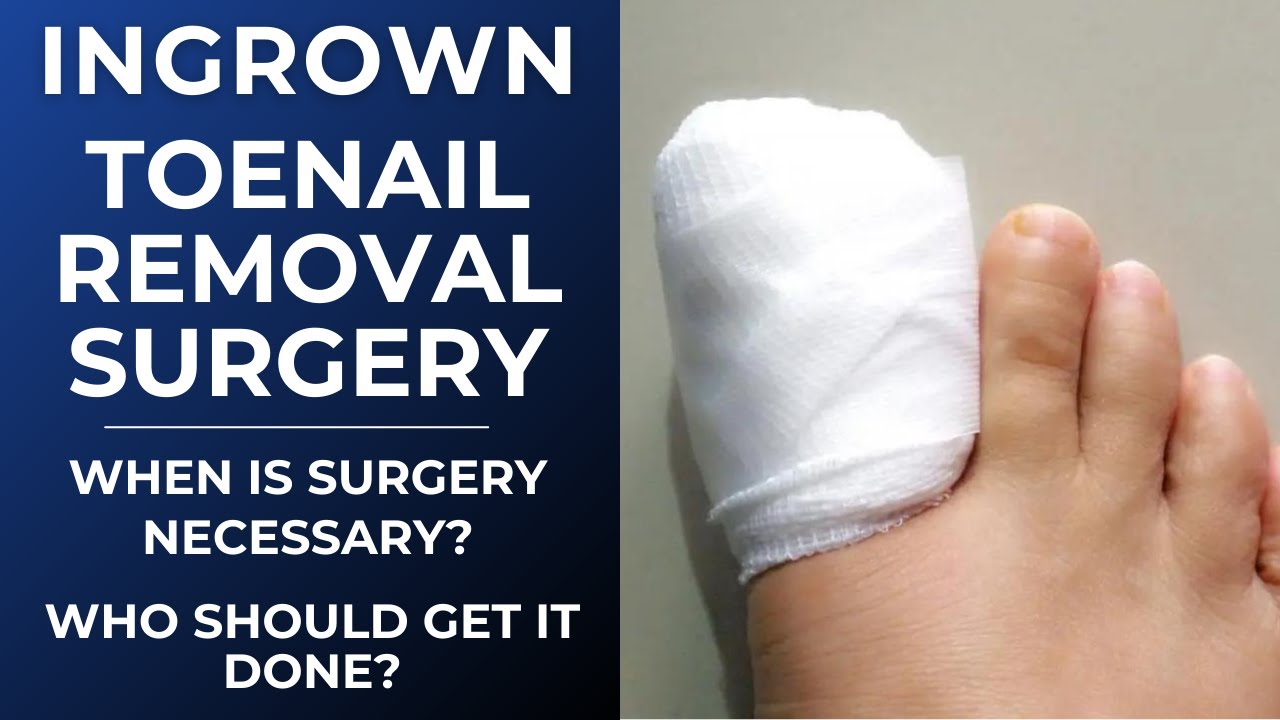
Subtle foot discomfort can sometimes signal a more serious issue developing beneath the surface. An ingrown toenail that becomes infected often progresses faster than people expect, turning minor irritation into a medical concern. Recognizing specific infection symptoms early can help determine when care from an ingrown toenail doctor should not be delayed.
Persistent Throbbing Pain Not Eased by Pressure Relief
Ongoing throbbing pain that does not improve after removing tight shoes or elevating the foot is a warning sign of infection. This type of pain usually indicates inflammation beneath the nail where bacteria have begun to multiply. Unlike simple tenderness, infected tissue often pulses or worsens at rest, interrupting sleep or normal walking patterns.
Pain that remains intense despite home care often means the nail edge has penetrated deeper into the skin. At this stage, ingrown toenail removal performed by an ingrown toenail removal doctor may be needed to stop the pressure causing the infection. Ignoring this symptom increases the risk of spreading bacteria into surrounding tissue.
Warm Skin Surrounding the Affected Toenail
Heat around the toenail is a physical response to increased blood flow as the body attempts to fight infection. The skin may feel noticeably warmer than the opposite foot, even without visible redness at first. This warmth usually develops alongside swelling and tenderness that continues to intensify.
Localized heat suggests the immune system is actively responding, but it also indicates the infection is advancing. Seeking care from a Huntsville ingrown toenail doctor allows the area to be assessed before deeper structures become involved. Early treatment often prevents the need for more invasive ingrown toenail removal Huntsville AL patients try to avoid.
Yellow or Cloudy Drainage Seeping from the Nail Edge
Drainage that appears yellow, white, or cloudy is a strong indicator of infection. This fluid often carries bacteria and dead tissue, signaling that the body is attempting to expel the infection. Any discharge with thickness or color change should not be mistaken for normal healing.
As drainage increases, the surrounding skin can soften and break down, making the area more vulnerable. An ingrown toenail removal doctor can safely address both the nail and the infection source. Searching for ingrown toenail removal near me at this stage often leads patients to professional care before complications worsen.
Rapid Swelling That Limits Normal Toe Movement
Swelling that develops quickly and restricts toe movement points to inflammation spreading beyond the nail edge. The toe may feel tight, stiff, or painful to bend, which affects balance and walking. This type of swelling differs from mild puffiness caused by irritation.
As pressure builds within the tissue, circulation can be affected, slowing healing. Prompt evaluation by an ingrown toenail doctor helps relieve this pressure and restore normal function. Delayed treatment increases the chance of tissue damage that may require more extensive care.
Foul Odor Indicating Bacterial Buildup
A noticeable odor coming from the toenail area is often overlooked but should be taken seriously. Bacteria thriving in moist, enclosed spaces release gases that create a distinct smell. This symptom usually accompanies drainage and skin breakdown.
Odor suggests the infection has been present long enough to allow bacterial colonies to grow. Professional ingrown toenail removal addresses the trapped nail and cleans the infected area thoroughly. Without proper care, bacteria can continue to spread even if pain temporarily subsides.
Skin Breakdown Forming Open Sores near the Nail
Open sores or raw skin near the nail indicate the infection has damaged the protective barrier of the skin. Once this barrier is compromised, bacteria gain easier access to deeper layers. These sores may bleed, ooze, or fail to scab properly.
Skin breakdown increases the risk of delayed healing and scarring. An ingrown toenail removal doctor can remove the offending nail portion and treat the wound safely. Early intervention reduces the likelihood of chronic infection or repeated ingrown toenail issues.
Fever Accompanied by Localized Toe Inflammation
A fever alongside toe inflammation suggests the infection may be affecting the body beyond the foot. Even a low-grade fever indicates the immune system is under stress. This symptom should never be ignored, especially if toe pain and swelling are worsening.
Systemic symptoms mean bacteria may be entering the bloodstream. Immediate care from an ingrown toenail doctor is necessary to control the infection source. Professional treatment can prevent serious complications that extend beyond the foot.
Red Streaks Traveling Upward from the Toe
Red streaks extending from the toe toward the foot or ankle are a sign of infection spreading through lymphatic channels. This visual symptom often appears suddenly and progresses quickly. It is commonly associated with tenderness along the streaked area.
This pattern signals an urgent need for medical attention. Ingrown toenail removal performed promptly can stop further spread and reduce the risk of more serious infection. For individuals seeking reliable care for these symptoms, The Foot Clinic provides professional evaluation and treatment options aligned with proper medical standards.
