
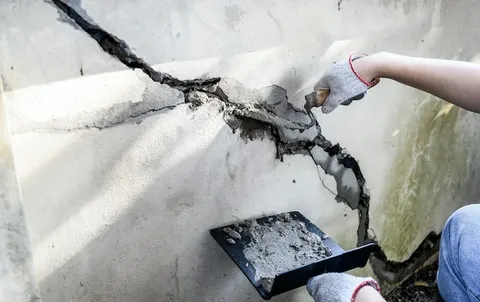
Hairline cracks, uneven floors, or moisture near walls can quietly signal deeper foundation concerns. Understanding what foundation crack repair near me usually includes helps explain why early evaluation matters and what actually happens behind the scenes.
Understanding What Causes Cracks to Form in Foundations
Foundation cracks rarely appear without a reason. Shifting soil, moisture changes, temperature swings, and settling all place stress on concrete over time. Expansive clay soils swell when wet and shrink during dry periods, creating repeated pressure against foundation walls. Poor drainage can worsen this movement by allowing water to collect near footings.
Even minor construction variances can contribute to stress points. A foundation specialist near me typically begins by identifying which of these forces are at play. Knowing the cause is essential, because repairing a crack without addressing why it formed often leads to repeat damage.
How Inspectors Measure Crack Width and Movement
Crack evaluation involves more than visual inspection. Inspectors measure width, length, and location to determine whether movement is active or dormant. Specialized gauges or simple calipers help track changes over time. Horizontal cracks often raise different concerns than vertical ones, especially in basement walls. Some cracks widen seasonally, while others remain unchanged for years. Foundation repair contractors use these measurements to decide whether monitoring, sealing, or stabilization is appropriate. Accurate measurement helps avoid unnecessary repairs while ensuring serious issues are not overlooked.
What Structural Reviews Reveal Beneath Surface Damage
Surface cracks can hide more significant issues below. Structural reviews examine wall alignment, floor levels, and load transfer points throughout the building. Inspectors may look for bowing walls, separation at joints, or uneven settlement patterns. These signs reveal how forces are affecting the entire structure, not just one visible crack. Foundation repair near me often includes this broader review to ensure repairs support overall stability. Addressing only surface damage without understanding deeper structural behavior can leave underlying problems unresolved.
The Role of Soil Pressure in Crack Formation
Soil pressure plays a major role in many foundation failures. Lateral pressure builds as soil expands against foundation walls, especially when drainage is poor. Over time, this pressure can push walls inward or create stair-step cracks in masonry.
Changes in groundwater levels also alter soil weight and force distribution. A foundation specialist near me evaluates soil conditions around the structure to understand how pressure contributes to cracking. Managing soil-related forces is often just as important as repairing the concrete itself.
How Sealing Methods Stop Water from Entering
Water intrusion often follows foundation cracks, even small ones. Sealing methods aim to block moisture pathways while allowing the structure to breathe. Epoxy and polyurethane injections are commonly used depending on crack size and movement history. These materials bond with concrete and expand into voids, preventing leaks. Foundation crack repair near me frequently includes sealing to protect interior spaces from water damage. Effective sealing reduces the risk of mold, material deterioration, and further structural stress caused by moisture buildup.
What Repair Materials Are Used to Stabilize Walls
Stabilization requires materials designed to work with existing structures. Carbon fiber straps, steel braces, and wall anchors are used to reinforce weakened areas without major demolition. These materials resist movement and help redistribute loads more evenly. The choice depends on wall type, crack orientation, and severity. Foundation repair contractors select materials based on performance, not appearance. Proper stabilization ensures walls remain secure long after visible cracks are repaired.
Why Monitoring Cracks Matters After Repairs
Repairs do not always end the evaluation process. Monitoring allows professionals to confirm that stabilization measures are working as intended. Simple markers or digital sensors track any continued movement. Seasonal changes can still influence foundations, making follow-up observation valuable. Foundation repair near me often includes guidance on what changes to watch for after work is complete. Monitoring provides reassurance and early warning if conditions shift again, protecting both the structure and the investment made in repairs.
What Homeowners Can Expect During the Repair Process
Foundation repair involves planning, preparation, and clear communication. Access to affected areas may require moving belongings or temporary exterior excavation. Most repairs focus on targeted areas rather than entire foundations. Noise, equipment, and short-term disruption are normal parts of the process. Foundation repair contractors typically explain timelines and steps before work begins. Understanding what to expect helps reduce stress and ensures repairs proceed efficiently and safely.
For property owners facing foundation concerns, Kennedy and Sons can assess cracks, identify underlying causes, and recommend appropriate repair options. Their team focuses on stabilizing structures while addressing the conditions that lead to damage. Through careful evaluation and proven repair methods, they help restore long-term foundation integrity.
