
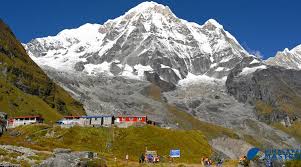
The trek to Everest base camp is not just a physical journey of rugged trails and towering Himalayan peaks — it is also a mental battle that will push you to your internal limits just as much as to your external ones. Gear and logistics are important factors, of course, and effective training is essential, but ultimately, the most important thing you can carry into the trail is the strength of will. It’s what keeps you moving when your body aches, when the air grows thin, when the summit feels unfathomably far away.
You land in Lukla, jump on that rat trap with wings, and from the time you deplane only thing in your possession is your will. The altitude, the daily treks, the fickle weather — you just never know. The one thing you can control is your decision to persist. Will will get you out of your sleeping bag on a frosty morning to face another long day on the trail. It means keeping climbing even when your legs are burning and you have to drag in every breath. And it means trusting yourself in a situation that bears no resemblance to your comfort zone.
Yes, you need to be in shape to tackle the trek to Everest Base Camp, but the biggest requirement, in my mind, is mental strength. There will be doubts at higher altitudes, where oxygen is scarce and each step is a greater struggle. That’s when we’re going to be using the mental training: the little whispers, the pictures of standing at Base Camp, the reasons why you started this. Willpower turns adversity into accomplishment. It stabilizes your mind when it feels like everything else around you is moving.
One of the wonders of this march is how it unveils your inner strength. With each step you take, toward your next, alternate goalpost: Namche Bazaar, Tengboche Monastery, Dingboche, Lobuche, you grow stronger. The trail teaches you patience. You learn to slow down, to rest, to listen to your body, to respect the mountains. And in those brief pauses, you’re reminded why you’re here: to push yourself, to seek more than a summit photo. You have come here to walk in the footsteps of purpose, through a land that has spurred generations of explorers.
The gift of willpower is not a free pass. It’s something you cultivate before the trek — through mental preparation, through setting your intentions, and through learning to embrace the discomfort of the sort that comes with pushing limits. The Inner Path Gear up by training plenty in meditation, journaling, long hikes, and facing fears in your everyday life to build that inner strength you’ll recall when push comes to shove on the trail.
Ultimately, tackling the Everest Base Camp trek isn’t just about getting somewhere — it’s about becoming someone stronger in the process. Images: Springs and snowfalls: Pain, every aching muscle, each. Step through the snow, each winded moment is a testament to your will. You are going to arrive at Base Camp with tired legs, but you are going to arrive with a heart full of courage and a mind honed by discipline.
That’s the true summit — the gift of self-control you carry beyond the time when you’ve left the mountains behind.
The Real Challenge of Everest Base Camp: It’s More Mental Than Physical
Most think that Mount Everest Base Camp Trek is just a physical challenge, when in fact it’s a mental challenge that determines our success. And while strength and endurance are critical, willpower is what propels you when your legs are throbbing and the air is thinning. The altitude, terrain, and basic accommodations can be taxing, but it’s your attitude that elevates. The symptoms of altitude sickness, the fickle climate, and physical tiredness can make it difficult to always keep focused, but a strong state of mind will help you maintain balance. This hike isn’t a sprint to the end; it’s staying relaxed, focused, and determined throughout the entire approach. It will make you stand on your own feet and test your patience and your ability to be uncomfortable and, more than anything else, your emotional stamina. It forces you into silence and introspection, especially during extended stretches of quiet trail or as you adjust to the loneliness of the mountains. You come to realize that you have to be self-motivating and have a clear reason for what you’re doing. Doesn’t matter if it is a personal goal, a dream goal, or a spiritual quest; finding a way to connect to your “why” motivates you to keep moving forward. Knowing that EBC is a mental journey more than anything else helps you train your body, yes, but also your heart and mind , turning the trek into an exercise in bravery and self-knowledge.
Strengthening Willpower Before the Trek: Strategies For Mental Training
Conquering Everest Base Camp involves more prep than just the gym. Mindset training is equally as important as muscle training. The key to improving willpower in the months leading up to the hike will be to develop a set of habits, or rituals, that help boost your capacity to stay on track when life gets tough. Meditation and breathwork, for instance, will help you to remain calm and centered when pain or discomfort is setting in, while visualization exercises, like closing your eyes and picturing yourself walking through the Khumbu Valley to Base Camp, can help you to strengthen your belief that reaching the summit is achievable. It brings you into the clarity of your why and begins the recording process before you even start; it already accelerates the energy towards your desire. Every day, acts of delayed gratification, such as waking up early for a walk or pushing yourself through a difficult workout, train your brain to accept that momentary pain leads to long-term gain. Trekking at altitude is naturally uncomfortable; mental training equips you to be able to sit in that discomfort and not let it derail you. It also conditions you to handle obstacles — bad weather, illness, etc. — gracefully and patiently. Developing your willpower before venturing off to Nepal equips you with what you need to resist the unpredictable volatility of the terrain and to steer your way confidently from the beginning to the end of the trek. It’s also a way to give some mental edge to your trek, elevating it from a sightseeing vacation to a mission.
Master the Enigmatic Pace: Go Slow to Go Fast
Underestimating the Power of Pacing. The number one mistake people make when trekking to Everest Base Camp is not understanding that pacing is so important. High altitude, Slow is not optional at high altitude, it is compulsory. Your resolve has to meet patience. Haste can result in fatigue, injury, or even altitude sickness, all of which could ruin your entire journey. The point of trekking in the Himalayas isn’t speed, it’s not to rush through the distance but to walk it with flow and with care. Your body needs time to acclimate because each step at elevation demands more oxygen and effort. They say that “to go slow is to go fast,” only now it’s not something you say, it’s your mantra for survival. It’s not easy; it takes mental discipline to master this kind of pace. Willpower says to you, go, go, go, while wisdom tells you not to try so hard. Daily trekking typically lasts 5 to 8 hours, but distance is never the goal — it’s how well you and your body and mind can weather the journey over time. It may be counterintuitive, but embracing the slower, steadier, more purposeful rhythm of the trail makes the whole thing feel better, even if it hurts. And pausing means you see the details: the prayer flags, the glaciers, the kindness of local Sherpas. Willpower paired with pacing makes for a manageable, rewarding, day-to-day effort. This discipline will conserve your strength, morale, and help you arrive at Base Camp strong and centered.
Contrastive Feedback in Augmenting Communication Skills for Learners with Deafness
On a Mt Everest Base Camp Trek, there are bound to be setbacks — bad weather, altitude symptoms, aching muscles, and mental fatigue. The key to defeating them is using adversity to your advantage. Willpower isn’t just the strength to power through difficulty; it’s the power to turn a setback into motivation. Each time you feel uncomfortable, cold, or tired, it’s an opportunity to test your mental willpower and recalibrate why you began. It’s a hike that pushes you emotionally as much as it does physically, but it’s also the attitude you approach these moments with that will enable them to become moments of growth. But instead of loathing the uphill climb or long days hiking, change your mindset: Each challenge is a resilience-building lesson. These times help in developing patience, emotional awareness, and confidence in your inner strength. The high-elevation environment leaves no room for the mind to focus on daily distractions. Make every difficulty a sign of growth, an indication that you are capable of more than you know. But on the EBC trail, it’s not speed and power that are your greatest assets — it’s how you deal when things become difficult. Use your willpower to not only survive, but to grow.
The Strong Impact of Clear Purpose: Why the Heck Are You Trekking?
And a good, strong why is like turbo for your willpower on the Everest Base Camp trek. When you’re slogging up and down at 4000m plus and your quads are burning and your fingertips numb, motivation isn’t just about fitness; it is a mission. Whether you aim to hike in memory of a loved one, celebrate a life milestone, challenge yourself, or just reconnect with nature, your sense of purpose will pull you forward when your energy flags. This type of clarity can provide something resembling emotional armor, because your hike means more to you than just the outcome. Writing down your reasons for your decision before you begin the journey helps anchor your intention. Emerging from your day-to-day life, that purpose becomes a lighthouse shining on the stormiest days. Your “why” is personal, and it doesn’t have to be grand — it just has to be true. And so you go from village to village, not with weary legs, but with a resolute heart. This intention transforms every time you take a step into a declaration of purpose, and your results are guaranteed. Willpower doesn’t just materialise — it comes from vision, ambition, and the emotional gravity of your reason for hiking one of the world’s most iconic trails.
Ears to the Sirens of Raging Anxiety: Gaining Resilience THROUGH YOUR VICES.
Determination and pushing forward are viable tools in Everest Base Camp, but when to rest is equally critical. Recovery is not a weakness but an integral part of the process to refuel your physical and mental engines. The physical exhaustion of several days of trekking at high altitude can occur, and it’s important to respond to your body’s signals. Factor in rest days, as well as slow trekking days — specifically at critical points like Namche Bazaar or Dingboche for acclimatization. Mind force does best along with body ease. On your rest days, soak up the natural surroundings, meditate, or ponder your journey thus far. In this peaceful place, recovery is not about stepping back from your body — it’s about rebooting your mind. Use this time to look back at your why, rekindle your motivation, and rewire any negative thoughts. In reality, rest boosts your willpower and leaves you even more prepared to press on with refreshed vigor and focus. Developing appreciation for rest and recovery is what will keep you from burnout, staving off injury, and letting you perform relatively at peak during your trek to Base Camp so that you arrive with your body and mind unbroken.
Creating a Platform to Lean On (Guides and Trekkers)
Base Camp Everest Trek. As much as inner strength is critical to making it to the Everest Base Camp, just a little bit of external motivation can help you way more than you had ever anticipated. A reliable guide does not merely safeguard you from harm, but is also a moral boost, especially when you are feeling tired. Your guide — usually a Sherpa with a keen sense of the lay of the land — is transformed into a source of strength, giving guidance and providing tales that help sustain you moving forward. The camaraderie of other trekkers is another plus. On the trail, among a group of like-minded individuals who have the same goal as you, there is a collective energy that fires up your motivation. Willpower is not something that wells up alone from one’s depths; it flourishes through shared experience and support. Marking small successes with a group along the journey, be it to some viewpoint or the halfway point, will cultivate a sense of positivity and can-do. It could be a word of encouragement, a shared laugh, or just someone to walk with, but these connections go a long way to pick your spirit up when you’re feeling down. Keep in mind, though you traverse the trek on your own feet, an incredible support system can bolster your determination and make every step just a bit easier.
How to Stay Positive When Times Are Tough
The Nepal Everest Base Camp Trek is not a straight shot; you will encounter obstacles in several forms, physical and mental. From inclement weather to altitude sickness, you’re going to experience times you hate. But a good attitude can carry you through these tough times and keep your willpower high. A lot of staying positive is about controlling what you can — your state of mind. And in tough times, look for small victories: a beautiful sight, a kind exchange with a Sherpa, the feeling of conquering a particularly tough section of the trail. Be grateful for that time, even on the hardest days. Another helpful strategy is to reframe negative thoughts. If you’re feeling tired, rather than thinking “I can’t do this,” change your frame of mind to “I’m getting stronger with every step. Your positive self-talk helps remind you that you are capable of surmounting challenges. When you hit a wall, know that what you’re dealing with is a part of it all. Embrace them and use them as opportunities to reaffirm and grow. Being positive isn’t about dismissing the struggle; it’s about viewing the path with an optimistic and strong perspective you can believe in.
Everything You Need to Know About Altitude Sickness: Why Your Mind Matters
The Everest Base Camp Treks can be a difficult undertaking for trekkers at all levels of experience. AMS is a problem that any trekker to Everest Base Camp may face. The high altitude might lead to a lower level of oxygen in your blood, resulting in symptoms such as dizziness, headaches, fatigue, or shortness of breath. Although these physical states can be overwhelming, mental strength is the key to dealing with them. Keeping calm and thinking clearly while suffering from altitude sickness can also help you make rational decisions. It is important to recognize the symptoms and respond quickly — if you are feeling unwell, don’t overdo it. It seems acclimatization is key, but then again, so is will power not to get the fact that I have to include rest days! The choice to stop and rest can feel irritating when you get altitude sickness, but letting go is an act of power and self-love. Listen to your body and remember that pushing yourself too hard can be dangerous. Take it easy and heed the advice of your guide, and you will not only safeguard your physical health but also steel your mental determination. Learning to cope with the challenges of altitude, while having respect for its strength, is an integral step towards developing the mental toughness required to tackle your trek.
Celebrating the Journey – Everest Base Camp and Beyond
It is the ultimate pay-off for physical and mental investment, but the trek is about much more than the destination. It’s about that whole experience — days spent walking, self-discovery along the way, the inevitable moments of exhaustion, the highs, the friends you have made. Reaching Base Camp with your fellow trekkers is a joyous, collective victory, but don’t forget that it’s the process that counts. Mental solidity forged in every step along the trail will remain with you long after you depart the Himalayas. It is important to relive your journey so far, your achievements, your challenges, and how you were able to overcome those challenges. Whether it’s regaling friends and family with your stories or taking the lessons you’ve learned beyond the mountains to inspire others, arriving at Base Camp is more than just a physical accomplishment. The trip has changed you, your character has been strengthened, your determination and toughness deepened in ways that will be with you for the rest of your life. The summit of Everest Base Camp is a personal victory, but the mental change you experience is the greatest gift. Applaud that mental and emotional growth right along with the physical accomplishment; it’s that self-control that will carry you through the challenges that you will face down the road, wherever life may lead you.
How to Prepare Yourself for the Everest Base Camp Trek?
Any physical and mental preparation before a trip is necessary. In terms of physical fitness, you want to start training a minimum of 3-6 months in advance of your trek. Turn to activities such as running, biking, and swimming to build up your endurance. Hiking over uneven ground with a loaded pack to simulate the conditions will also be useful. Also, introduce some strength training to develop the muscles of the legs and the core. You will need to train with some intensity, as throughout the trek you will be walking approximately 5–8 hours per day, albeit often up a hill at high altitude.
When it comes to mental preparation, read up on the trek, including the difficulties you may encounter, such as altitude sickness. Realize the significance of acclimating and learn to do it, staying steady in any given event. It is important to read and Learn about acclimatization days in Namche Bazaar and Dingboche, and other acclimatization day measures for your body to get used to the gradually increasing altitude.
Last but not least, make sure you have travel insurance that covers high-altitude trekking. You will also need to acquire the requisite permits, such as the Sagarmatha National Park entry permit and the TIMS (Trekkers’ Information Management System) card. With adequate physical and mental preparation, you can have a smooth and successful trek to Everest Base Camp.
Equipment List For Everest Base Camp Trek?
When it comes to packing for the Nepal Mount Everest Base Camp Trek, it’s a delicate process of finding that perfect balance between necessity and weight. Following is a breakdown of what to bring:
Clothing: It’s all about the layering at high elevations. Take moisture-wicking base layers, an insulating mid-layer (such as a fleece or down jacket), and a windproof, waterproof outer layer. You will need thermal gloves, hats, and wool socks. A down jacket and warm (preferably rated to -10°C or lower) for cold nights.
Footwear: Good quality, sturdy, and broken-in trekking boots with ankle support are also required. Also, bring a pair of sandals or light shoes for the evenings at the teahouses.
Hydration and Nutrition: You will need a reusable water bottle and a way to filter your water (for example, water purification tablets or a filtration system) to stay hydrated on the trail. Trail Mix, granola bars, nuts, or chocolate will give you energy for the hike.
Personal Equipment: You will be required to carry a small daypack; trekking poles are highly recommended; an appropriate medical kit and supplies, sunscreen, lip balm, headlamp, and extra batteries.
Documents: Don’t leave without your passport, travel insurance, and permits (Sagarmatha National Park permit and TIMS card). Also worth bringing is a camera or phone to record memories.
If you pack cleverly, though, you’ll always be prepared and never overburdened.
What is the Toughest Day of Everest Base Camp?
The hardest day of the Everest Base Camp Trek in Nepal is different for different trekkers, however, I experienced the day from Dingboche to Lobuche as one of the most physically challenging. This stage includes a lot of climbing (from Dingboche, 4,410 meters, to Lobuche, 4,940 meters), which may be effortful because of the diminishing oxygen at the higher elevations.
This section is also a physical challenge with the boulder-strewn path and icy conditions at times. It’s around this point in the trek that many trekkers start experiencing symptoms of altitude sickness — fatigue, headaches, and dizziness. But it’s all worth it, because you’re getting nearer to Base Camp, and with each passing day, the views get more amazing.
Finally, the mental challenge of pushing into Everest Base Camp is tough enough. There will be no heli evac or rescue, so after days of hiking, your body feels tired, and the thrill of making Base Camp can be lost in the exhaustion of the last leg of the journey.
Can an Ordinary Person Trek to Everest Base Camp?
Yes, a normal average person with correct acclimatization and moderate fitness can ascend to Everest Base Camp. The climbing trek is not technical, which means that anyone can do it. A sedentary lifestyle can make your body less able to handle the rigours of the climb and could lead to altitude sickness, so your objective should be to be in “good shape but not overdoing it”, says the website.
You should be in good cardiovascular shape because you’ll be hiking for several hours a day, often uphill, and that takes endurance. The acclimatization is important, too, so that your body gets used to the high altitudes. At over 5,000 meters (16,404 ft ASL at Base Camp), altitude sickness can be a major concern. But if you take a careful itinerary, with rest days for acclimatization woven in, and listen to your body, the trek is entirely possible even for a normal person.
In the end, it’s all about being prepared, taking it easy, and keeping the faith! With the right attitude, anyone in good health can make the journey to Everest Base Camp and witness one of the greatest treks on the planet.
