
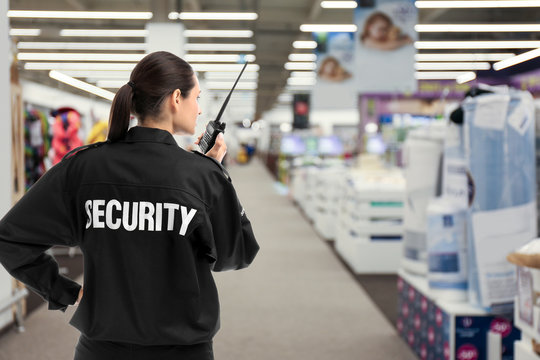
Loss inside retail environments rarely happens by accident, and it rarely happens all at once. Shrinkage develops through small gaps in awareness, timing, and oversight that compound over time. A structured guard presence addresses those gaps by shaping behavior, reinforcing accountability, and creating visible order across the sales floor.
Visible Patrol Routines Influencing Shopper Behavior
Regular patrol movement establishes a sense of awareness that shoppers notice almost immediately. Guards following predictable but varied routes signal that the store is actively monitored, which alters decision-making for individuals considering theft. This visibility discourages impulsive actions without disrupting the shopping experience for honest customers. Beyond deterrence, patrol routines help normalize security as part of daily store operations. Shoppers grow accustomed to seeing guards as part of the environment rather than as reactive enforcement. This balance supports a calm atmosphere while reducing shrinkage through presence alone, a principle often supported by structured business security programs.
Controlled Entry Monitoring During Peak Retail Hours
High-traffic periods create ideal conditions for shrinkage due to distractions and crowd density. Monitoring entrances during peak hours helps regulate flow and establishes accountability from the moment customers enter the store. A visible guard presence at access points subtly communicates that movements are observed.
Entry monitoring also allows guards to identify unusual behavior early, before issues escalate inside the store. Patterns such as repeated exits, rushed entry, or group distractions become easier to notice. These early indicators give security teams more time to respond appropriately, strengthening overall loss prevention.
Staff Awareness Reinforced Through On-floor Security Presence
Employees perform better when they know support is nearby. A guard positioned on the sales floor reinforces awareness among staff, encouraging attentiveness to inventory handling and customer interaction. This shared responsibility reduces internal shrinkage and procedural shortcuts that often go unnoticed.
Security presence also improves communication between staff and guards. Employees are more likely to report concerns when a guard is visible and accessible. This coordination strengthens internal controls and aligns with professional security guard services designed to support retail teams without interfering with daily operations.
High-risk Aisle Coverage Limiting Concealment Opportunities
Certain aisles naturally present higher theft risk due to product size, packaging, or visibility. Strategic coverage in these areas reduces opportunities for concealment. A guard positioned nearby disrupts patterns that rely on isolation or blind spots.
Focused aisle coverage also encourages better merchandising practices. Staff become more mindful of shelf organization and product placement when security regularly passes through these zones. This combined awareness limits shrinkage while improving overall store presentation.
Consistent Post Positioning near Inventory Exits
Exits represent critical control points for loss prevention. Maintaining consistent guard positioning near these areas creates a psychological checkpoint that deters unauthorized removal of merchandise. Shoppers are less likely to attempt theft when exit areas are visibly monitored.
Consistency matters more than confrontation. Guards stationed near exits observe movement patterns, bag handling, and pacing without direct interference. This steady presence supports transaction integrity while reducing the likelihood of opportunistic losses.
Behavioral Observation Identifying Suspicious Movement Patterns
Experienced guards focus on behavior rather than appearance. Repeated aisle looping, abrupt direction changes, and unusual item handling are patterns that signal elevated risk. Behavioral observation allows guards to respond based on actions, not assumptions. This approach reduces errors and maintains a respectful shopping environment. Guards trained under structured security guard services rely on observation skills that support fairness while improving shrinkage detection across varied retail settings.
Immediate Response Capability Discouraging Opportunistic Losses
Speed matters in loss prevention. A guard already on the floor can respond immediately to emerging issues, reducing escalation and preventing losses before they occur. The ability to intervene quickly changes how potential offenders assess risk.
Immediate response also reassures staff during tense situations. Knowing that help is close allows employees to focus on service rather than confrontation. This balance supports both customer experience and security outcomes.
Checkout-area Oversight Supporting Transaction Accountability
Checkout areas are busy, fast-moving, and vulnerable to errors or intentional misuse. Guard oversight in these zones reinforces accountability during transactions. The presence alone reduces the likelihood of ticket switching, unpaid items, or internal collusion.
Security near checkout also supports staff during disputes or system issues. Guards act as neutral observers, helping resolve situations calmly while maintaining control over inventory movement at the point of sale.
Store Layout Familiarity Improving Loss-prevention Coverage
Guards who understand store layout perform more effectively. Familiarity with sightlines, shelving patterns, and traffic flow allows better positioning and smarter patrol routes. Over time, this knowledge improves coverage without increasing staffing levels.
Layout awareness also helps guards anticipate problem areas as store configurations change. Seasonal displays or rearranged aisles can create new blind spots, which trained security teams quickly adjust to. Retailers seeking structured protection often turn to providers like Trident Security Solutions to support consistent, informed guard presence aligned with effective business security strategies.
