
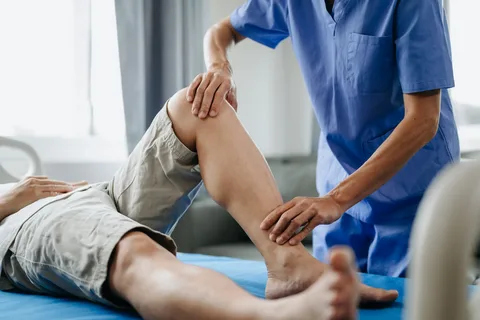
Athletic strain often begins quietly, showing up as stiffness, tightness, or a nagging ache that feels easy to ignore. Over time, those small signals can limit movement, reduce strength, and increase injury risk if left unaddressed. Orthopedic sports medicine focuses on managing strain early through methods that protect tissue while keeping the body active and resilient.
Targeted Stretching Routines to Ease Muscle Tension
Targeted stretching focuses on specific muscle groups rather than full-body routines done without intention. Tight muscles often develop from repetitive movement patterns, prolonged sitting, or uneven training loads. Stretching those exact areas helps restore length to muscle fibers and improves circulation, which supports healing at a cellular level.
Timing and technique matter just as much as the stretch itself. Slow, controlled movements held long enough to allow tissue relaxation tend to be favored by orthopedic sports medicine providers. A sports medicine doctor often recommends adjusting stretches based on the sport, position, or daily activity that caused the strain in the first place.
Controlled Strengthening Exercises Around Vulnerable Joints
Strain frequently occurs near joints that lack adequate muscular support. Strengthening exercises aim to stabilize these areas by reinforcing surrounding muscles rather than stressing the joint itself. This approach reduces abnormal movement that can overload tendons and ligaments.
Progression remains carefully planned. Low-resistance movements performed with proper form are introduced first, then gradually intensified. A sports medicine doctor evaluates joint mechanics to ensure strengthening supports natural motion rather than compensating for weakness elsewhere.
Gradual Activity Progression to Prevent Reinjury
Returning to full activity too quickly is a common cause of repeat strain. Gradual progression allows tissues to adapt to increasing demands without exceeding their capacity. Orthopedic sports medicine emphasizes step-by-step increases in intensity, duration, or frequency.
This process also helps identify lingering limitations. If pain or tightness returns at a specific workload, adjustments can be made early. Patients searching for a sports medicine doctor near me often benefit from structured return-to-activity plans designed around their sport or fitness goals.
Ice and Heat Application Based on Injury Phase
Ice and heat serve different purposes depending on timing. Ice is typically used soon after strain to limit inflammation and reduce pain by slowing blood flow. Heat, on the other hand, increases circulation and relaxes stiff muscles once swelling has settled.
Orthopedic sports medicine professionals base recommendations on tissue response rather than habit. Using the wrong modality at the wrong time can delay recovery. Clear guidance from a sports medicine doctor helps ensure these tools support healing instead of masking symptoms.
Proper Warm-ups Before Workouts or Sports Practice
Warm-ups prepare muscles and joints for stress by increasing temperature and flexibility. Dynamic movements that mimic upcoming activity tend to be favored over static stretching alone. This approach primes the nervous system and reduces sudden strain during explosive actions.
Skipping warm-ups often leads to decreased coordination early in activity. Orthopedic sports medicine views warm-ups as preventive care rather than optional routines. Even experienced athletes benefit from consistent preparation before training or competition.
Using Compression Wraps to Reduce Swelling and Strain
Compression wraps provide external support that limits swelling and stabilizes soft tissue. By applying gentle pressure, they help control fluid buildup that can restrict movement and slow recovery. This support also improves proprioception, helping the body sense joint position more accurately.
Proper fit remains essential. Wraps that are too tight can restrict circulation, while loose ones offer little benefit. A sports medicine doctor can advise when compression is appropriate and how long it should be used during recovery phases.
Monitoring and Adjusting Training Loads over Time
Training load refers to the total stress placed on the body from activity. Sudden increases often trigger strain, even in conditioned athletes. Orthopedic sports medicine tracks load trends rather than focusing on single workouts.
Adjustments may include reducing volume, spacing sessions differently, or alternating intensity levels. Monitoring helps prevent overuse injuries that develop gradually. Many patients seeking a sports medicine doctor near me learn that smarter training often leads to better performance with fewer setbacks.
Cross-training to Balance Muscle Group Use
Repeating the same movements daily can overload specific muscles while neglecting others. Cross-training introduces variety that balances muscle development and reduces repetitive strain. Activities such as swimming, cycling, or resistance training complement sport-specific demands.
Orthopedic sports medicine uses cross-training to maintain fitness during recovery as well. This approach keeps athletes active without stressing injured tissues. Balanced muscle use supports long-term joint health and coordination.
Implementing Rest Days to Support Tissue Recovery
Rest days allow muscles, tendons, and ligaments time to repair microscopic damage from activity. Without rest, tissue breakdown outpaces repair, increasing strain risk. Orthopedic sports medicine treats rest as a planned part of training, not a setback.
Rest does not always mean inactivity. Light movement, mobility work, or low-impact exercise may still occur. A sports medicine doctor helps determine when full rest or active recovery best supports healing. Strain management works best when guided by experience and individualized care. Dr Boyett can evaluate movement patterns, identify contributing factors, and develop treatment plans that support recovery while helping patients return safely to the activities they enjoy.