
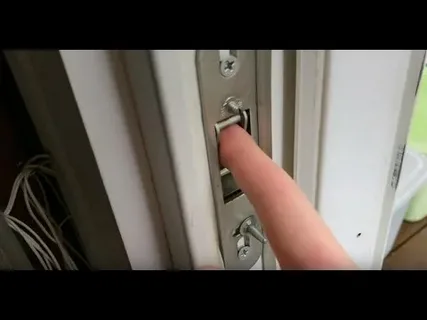
Subtle changes in how a sliding glass door moves often signal deeper alignment problems. A door that once glided smoothly may start sticking, scraping, or letting air seep through without obvious damage. During sliding glass door replacement in Huntsville AL, these alignment issues are some of the most common reasons doors fail to perform the way homeowners expect.
Door Panels That Don’t Sit Square in the Frame
A sliding glass door panel must sit perfectly square within its frame to move correctly. Even a slight tilt can cause uneven weight distribution, forcing one corner of the panel to drag while the opposite corner lifts. This often shows up as resistance during opening or a door that refuses to stay in place once partially opened. Panel misalignment is often tied to framing inconsistencies or measurement errors during installation. Over time, gravity and daily use exaggerate the problem, causing visible gaps or edge contact. During sliding glass door replacement, correcting how the panel rests within the frame prevents long-term wear and keeps the glass centered where it belongs.
Tracks That Are Bent or Uneven Across the Opening
Tracks serve as the foundation for smooth door movement. If a track bends even slightly, rollers cannot travel evenly from one end to the other. Homeowners often mistake this issue for dirt buildup, but cleaning alone does not fix uneven metal. Uneven tracks may result from improper anchoring, structural movement, or damage during removal of the old door. A thorough sliding glass door replacement involves checking track level across the full width of the opening to ensure consistent contact and smooth travel.
Rollers out of Adjustment Causing Rough Sliding Action
Rollers support the door’s weight and guide it along the track. If they sit too high or too low, the panel tilts forward or backward, creating drag. This issue often develops gradually, making it hard to pinpoint the cause of the resistance.
Adjustment errors can happen during installation or after years of vibration from use. During sliding glass door replacement in Huntsville AL, properly calibrated rollers help the door move quietly and evenly without requiring excess force.
Gaps Forming at the Top or Bottom of the Door Panel
Visible gaps along the top or bottom edge indicate vertical misalignment. These gaps allow air, moisture, and insects to pass through, reducing comfort inside the home. The door may still slide, but it no longer seals as designed.
Such gaps often stem from incorrect frame leveling or shifting structural components. Addressing these issues during sliding glass door replacement helps restore proper sealing while improving insulation and overall door performance.
Frames Twisted from Settling or Improper Installation
Door frames rely on straight, stable openings. If a home settles unevenly or the frame was installed without proper support, twisting can occur. This distortion forces the door panel to follow a warped path rather than a straight one. Twisted frames are especially problematic because they affect every component of the door system. Sliding glass door replacement must account for frame condition to ensure the new door aligns correctly and does not inherit the same issues.
Weatherstripping That Fails to Seal Against Drafts
Weatherstripping relies on precise alignment to function properly. If the door panel sits too far inward or outward, the weatherstripping may not make full contact with the frame. This leads to drafts, moisture intrusion, and higher energy costs.
Misaligned weatherstripping is often overlooked during quick installations. A properly executed sliding glass door replacement ensures seals meet evenly along all edges, maintaining indoor comfort without compression gaps.
Misaligned Handle and Latch Hardware Not Closing Right
Hardware alignment affects both security and usability. If the latch does not line up with the strike plate, the door may require extra force to close or fail to lock at all. This is often blamed on faulty hardware rather than alignment errors.
In reality, handle misalignment usually traces back to panel positioning. During sliding glass door replacement, ensuring that the panel sits correctly allows hardware components to engage smoothly without strain or adjustment workarounds.
Glass Panels Rubbing Against the Frame Edges
Glass contact with the frame is a clear sign of misalignment. This rubbing creates noise, resistance, and long-term damage to both glass and frame finishes. Left unresolved, it can lead to cracks or seal failure.
This issue often appears when panels are not centered or when rollers fail to keep the glass level. Correcting panel alignment during sliding glass door replacement prevents edge contact and extends the life of the door system.
Thresholds That Sit Too High or Too Low for Smooth Travel
The threshold must align with the track height to support proper roller movement. If it sits too high, the door may scrape or jam. If too low, rollers lose contact and stability, causing wobble or uneven motion.
Threshold height problems often result from subfloor inconsistencies or rushed installation. Addressing this detail during sliding glass door replacement in Huntsville AL ensures smooth travel while maintaining accessibility and weather protection. Alignment problems rarely resolve on their own and tend to worsen with daily use. Huntsville Glass assesses door openings, identify alignment concerns, and perform precise adjustments or replacements that restore smooth operation, proper sealing, and long-term reliability without unnecessary disruption.